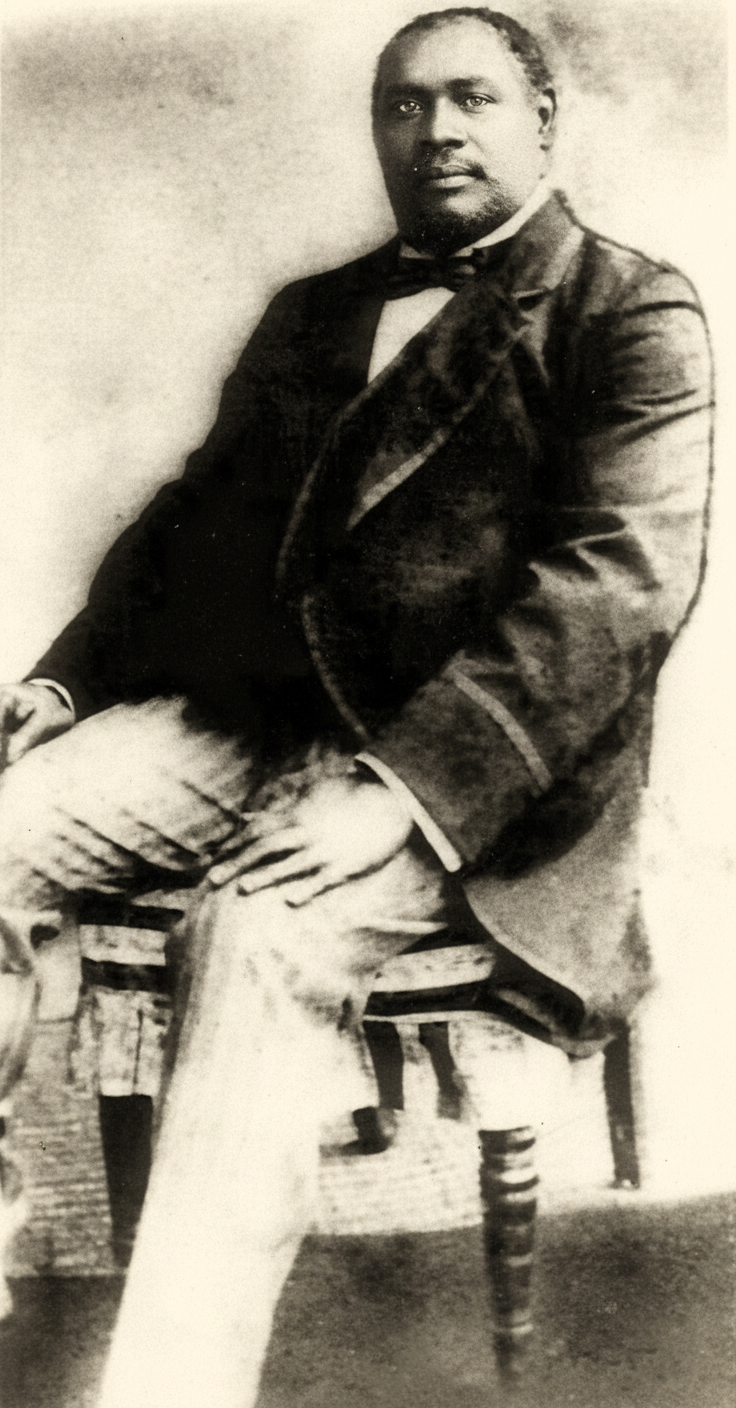
Hon. John Henry "Malamah" Thomas, J.P. A Legacy Forged in Freetown
The Honourable John Henry Malamah-Thomas (1845 – 1922) rose from impoverished beginnings in Hastings to become one of the most formidable civic architects, merchant princes, and statesmen in West African history. An eight-term Mayor of Freetown and member of the Legislative Council, he championed self-governance, commercial enterprise, and community empowerment.
Pioneer of Commerce • Champion of Self-Governance • Civic Patriarch
Defying early poverty following the loss of his father at age three, John Henry Malamah-Thomas transformed a modest £100 loan into a commercial empire, founded the trading factory that birthed the surname "Malamah-Thomas", and governed Freetown with peerless integrity across eight terms as Mayor.
Commercial Enterprise & "Malamah Baft"
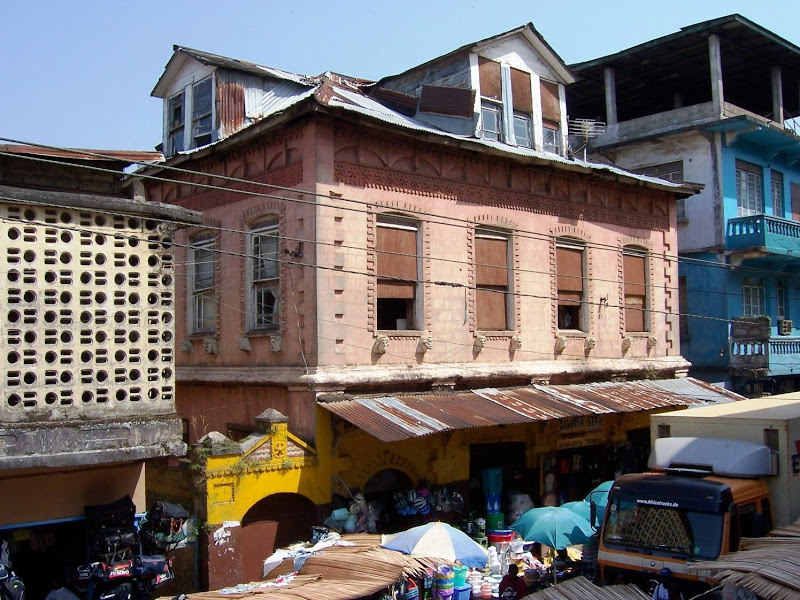
Established the famous "Malamah" trading factory on the Rokel River in 1872. Specialized in textiles, patented his renowned "Malamah baft" cotton in England, and erected the historic architectural landmark "Malamah House" in East Street, Freetown.
8-Term Mayor & Legislative Council
Served eight distinguished terms as Mayor of Freetown between 1904 and 1914. Appointed Justice of the Peace (1894), Charity Commissioner (1891), and an unofficial indigenous member of the colonial Legislative Council in 1907.
The Silver Cup Address & NCBWA
President of the Sierra Leone branch of the National Congress of British West Africa (NCBWA), advocating for indigenous African franchise. Honored upon retirement by community leaders with the celebrated Silver Cup Address for lifelong integrity.
Beyond the Public Statesman: The Family Cornerstone
Beyond his civic milestones, John Henry 'Malamah' Thomas was the beloved patriarch of an enduring family. Devoted husband to Christiana Nancy Thomas (née Rollings) and Annie Victoria Asgill, his lineage raised seven distinguished children: Herbert Henry, John Horace, Maud Regina, Ethel Matilda, Claudius Josephus, Laura Henrietta, and Edith Jane Cecilia.
This lineage provided the foundational intellect, faith, and public duty that propelled generations of Sierra Leonean scholars, jurists, civil servants, and medical pioneers.